The Connection Between Air Duct Cleaning and HVAC Efficiency
The Connection Between Air Duct Cleaning and HVAC Efficiency
Blog Article
HVAC, or heating, ventilation, and air conditioning, plays a crucial role in maintaining comfortable indoor environments throughout the year. Understanding how to choose the right HVAC contractor is essential for ensuring efficient and reliable climate control in your home or business. Regular maintenance, timely repairs, and system upgrades are vital for optimal performance. If you want to explore more about HVAC services, for valuable insights and options learn more. Modern HVAC systems are designed to improve indoor air quality while effectively managing temperature and humidity levels. Whether you need air conditioning maintenance in summer or furnace repair during winter, a skilled HVAC company can provide the necessary expertise to keep your systems running smoothly. This article will delve deeper into HVAC fundamentals and what you need to look for when selecting a provider. The HVAC systems are advanced technologies that take care of heating, cooling, and ventilation in both residential and commercial spaces. These systems include a range of elements, such as air conditioners, heaters, ducts, and ventilation setups, all designed to function collectively for optimal indoor comfort. The effectiveness of an HVAC system impacts not just energy efficiency but also plays a vital role in ensuring high indoor air quality. For areas with warm climates, air conditioning is crucial for keeping indoor spaces cool. Air conditioning units work by pulling out heat and humidity from the interior air to create a cooler and more enjoyable living space. Conversely, in colder climates, heating systems like furnaces or heat pumps become essential for providing warmth. Ventilation remains important, ensuring a steady flow of clean air while removing pollutants and preventing issues like mold growth. Numerous types of HVAC systems exist, each constructed for specific purposes and circumstances. Among the most well-known are centralized systems, which connect various rooms through ductwork, and decentralized systems, such as mini-splits that operate on their own in individual areas. Identifying the right type for your needs is crucial. While centralized systems tend to be more effective for large spaces, mini splits offer specific cooling or heating solutions that are ideal for smaller rooms or additions. When selecting an HVAC contractor, reputation and experience are key factors to consider. You should search for companies that have positive reviews and ratings in your area, specifically those that are known for their proficiency in air conditioning repair and maintenance services. Look for certifications and licenses that demonstrate a contractor’s qualifications. Additionally, ensure the provider has experience with various HVAC systems, including modern technologies like smart thermostats or zoning systems. Many homeowners also benefit from obtaining multiple quotes before making a decision. This approach allows you to compare service offerings and pricing, helping you identify the best value. During consultations, ask about their approach to maintenance and emergency repair services, as well as their knowledge of energy-efficient installations. A reputable contractor will not only provide upfront costs but also educate you on energy-saving practices and the appropriate systems for your specific needs. Routine upkeep is crucial for ensuring that HVAC systems operate at peak efficiency and can greatly prolong their operational lifespan. Homeowners are advised to arrange for regular inspections at least once each year, covering both heating and cooling systems. By taking this preventive measure, you can avert unexpected disruptions and expensive repairs, particularly during high-demand seasons. Technicians will scrutinize components for problems like clogged air filters, which can hinder airflow, and assess ductwork for leaks that may adversely affect performance and energy consumption. During their maintenance visits, HVAC specialists also perform cleaning tasks on the system’s various elements to prevent the buildup of dirt and debris. This cleaning regimen encompasses the cleaning of air ducts, which is essential for achieving optimal airflow and minimizing indoor allergens. Systems that receive regular maintenance are typically more energy-efficient, which can result in reduced utility costs and a smaller carbon footprint.Comprehending HVAC Fundamentals
Different Types of HVAC Systems
Choosing the Right HVAC Contractor
Significance of Routine Upkeep
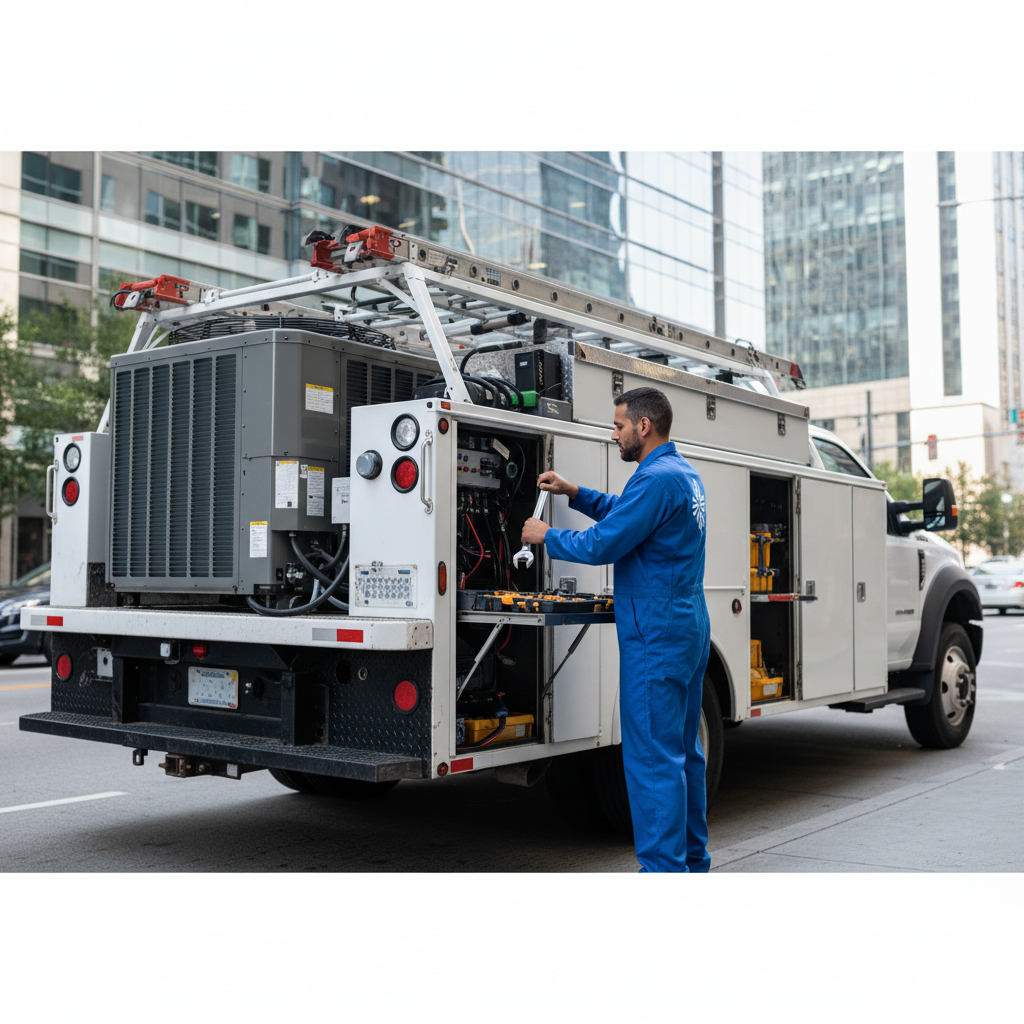 Holiday HVAC ContractorHoliday HVAC Contractor
Tips for Maintaining Your HVAC System
Understanding HVAC systems can lead to considerable cost savings and improved comfort. Consider these tips to enhance system performance.
- Regularly change or clean air filters every 1-3 months to maintain optimal airflow.
- Seal any gaps in ducts to reduce energy loss and improve heating/cooling efficiency.
- Invest in programmable thermostats to help regulate temperatures according to your habits.
- Schedule annual professional inspections for both heating and cooling systems.
- Keep outdoor units clear of debris to ensure they operate without obstruction.
HVAC
Frequently asked questions
What is HVAC?
HVAC stands for heating, ventilation, and air conditioning. It refers to the technology used to manage indoor climate conditions by regulating air temperature, humidity, and air quality.
How do I choose a HVAC provider?
To choose a HVAC provider, research their reputation, read customer reviews, compare quotes, and ensure they have the necessary certifications and licenses.
How much does HVAC cost?
The cost of HVAC varies based on system type, size, energy efficiency, and installation requirements. On average, systems can range from a few thousand to tens of thousands of dollars, including installation.
What are the signs I need air conditioning repair?
Indicators that you may need air conditioning repair include insufficient cooling, unusual noises, and increased energy bills, which often suggest system inefficiencies.
How often should I maintain my HVAC system?
It's recommended to have your HVAC system professionally serviced at least once a year for both heating and cooling systems to ensure optimum performance and longevity.
Maintaining a comfortable and healthy indoor environment requires a solid understanding of HVAC systems and the importance of working with qualified contractors. From air conditioning maintenance to effective heating solutions, a proactive approach can save time, money, and stress.
By selecting the right HVAC provider and prioritizing regular maintenance, homeowners can ensure their systems operate efficiently and effectively, providing comfort for many years to come.